

Photobiomodulation supports neurological recovery by restoring mitochondrial function, reducing neuroinflammation, and promoting neurogenesis — without drugs, side effects, or downtime.
*Free demos are only available for potential providers.
Neurological conditions — from traumatic brain injury and neurodegenerative disease to chronic neuropathic pain and cognitive decline — share a common thread: compromised cellular energy and persistent neuroinflammation.
MedWave integrates clinical-grade red light therapy (photobiomodulation) to restore mitochondrial function in neural tissue — supporting neuroprotection, reducing neuroinflammation, and promoting the brain’s own repair mechanisms.
Neurological conditions present one of medicine’s greatest challenges. Conventional approaches — pharmacological management, surgical intervention, and rehabilitation — often manage symptoms without addressing the underlying cellular energy deficit that drives neurodegeneration and impaired recovery.
MedWave’s devices deliver clinical-grade red and near-infrared light that penetrates deep into tissue — restoring mitochondrial ATP production, modulating neuroinflammation, supporting neurogenesis, and enhancing cerebral blood flow to promote the brain’s own recovery mechanisms.
Zero consumables. Zero side effects. A device that supports neurological outcomes backed by decades of peer-reviewed photobiomodulation research.
Conventional neurological treatment focuses on managing symptoms — blocking pain signals, supplementing neurotransmitters, or slowing progression — without directly addressing the cellular energy crisis that underlies neurological dysfunction.
Clinicians are increasingly recognising that neurological conditions share a common cellular mechanism: compromised mitochondrial function leading to energy deficit, oxidative stress, and chronic neuroinflammation.
MedWave bridges the divide. By delivering precise wavelengths of red and near-infrared light to neural tissue, we restore the mitochondrial ATP production that powers every aspect of neurological function — from synaptic transmission to neuroplasticity.
Support improved cognitive function, reduced neuroinflammation, enhanced nerve repair, and better patient outcomes — all from a non-invasive device that complements your existing neurological care protocols.
We bridge the gap between symptom management and genuine neurological recovery.
How precision red light therapy triggers a biological cascade that supports neurological repair and cognitive function. Built on peer-reviewed photobiomodulation research.
Red and near-infrared light is absorbed by Cytochrome C Oxidase (CCO) in neuronal mitochondria, displacing inhibitory nitric oxide and reactivating the electron transport chain. This restores ATP production — the cellular fuel required for every neurological process from synaptic transmission to axonal transport and neuroplasticity.
Chronic neuroinflammation drives neurodegeneration. PBM modulates microglial activation, shifting microglia from the pro-inflammatory M1 phenotype to the neuroprotective M2 phenotype. This reduces pro-inflammatory cytokines (TNF-alpha, IL-6) while promoting anti-inflammatory signalling — protecting neurons from inflammatory damage.
PBM promotes the release of brain-derived neurotrophic factor (BDNF) and nerve growth factor (NGF), supporting the survival of existing neurons and the generation of new neural connections. In Alzheimer’s models, PBM has been shown to modulate mitochondrial energy metabolism and ameliorate neurological damage.
PBM enhances nitric oxide release and promotes vasodilation, increasing cerebral blood flow and oxygen delivery to neural tissue. Improved circulation supports nutrient delivery, waste removal, and the overall metabolic environment required for neurological repair and cognitive function.
All clinical data sourced from peer-reviewed studies. Full references available below.
Most consumer red light panels scatter broad-spectrum light across the skin with minimal tissue penetration — far below the therapeutic thresholds established in neurological research.
MedWave’s devices deliver precision red and near-infrared light wavelengths through 585 high-output LEDs — penetrating 3–4cm into tissue to reach neural structures, peripheral nerves, and surrounding vasculature where recovery begins.
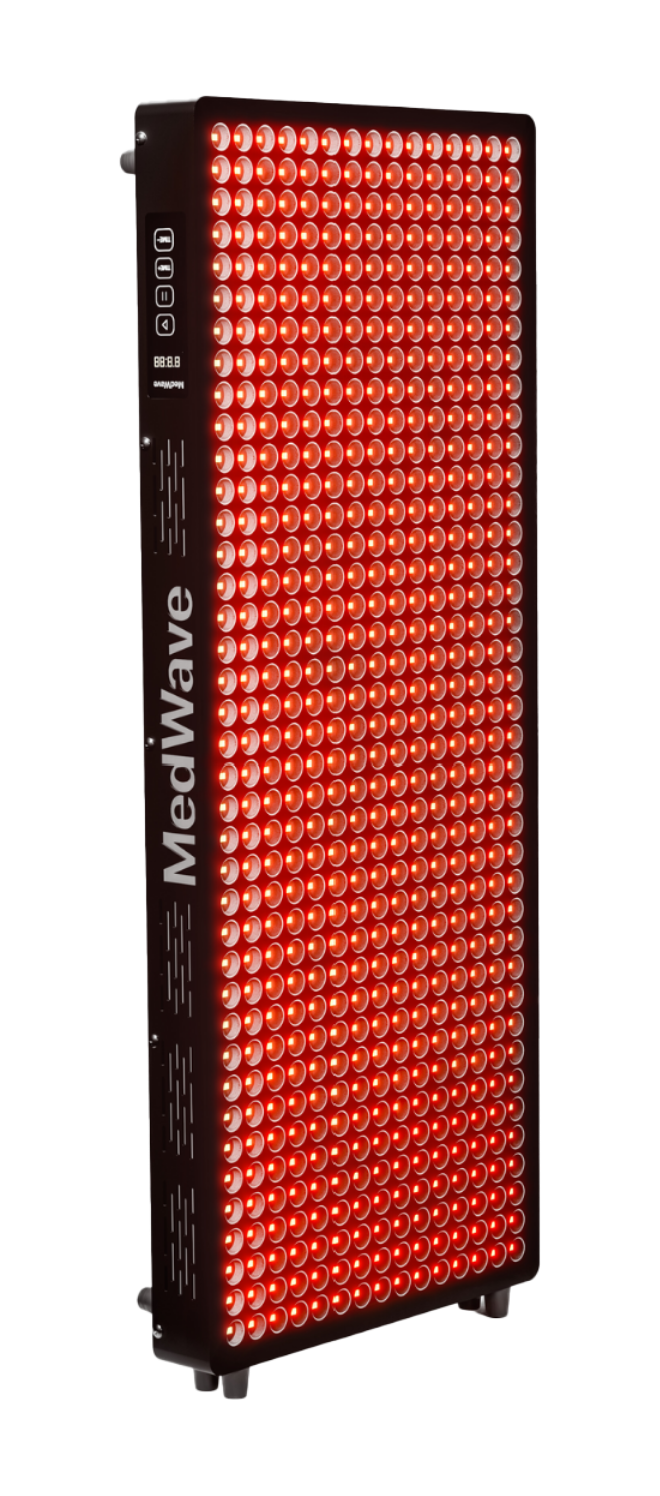

Structured treatment programmes designed to complement your existing neurological care protocols.
A structured programme for neurodegenerative conditions and cognitive decline — supporting mitochondrial restoration, neuroinflammation modulation, and neuroprotective pathways through targeted photobiomodulation.
Designed for peripheral neuropathy, nerve injury, and diabetic nerve complications. Targets nerve growth factor elevation, mitochondrial homeostasis, and pain signal reduction to support nerve structure recovery.
For traumatic brain injury rehabilitation, post-concussion recovery, and stroke support. Promotes enhanced cerebral blood flow, reduced neuroinflammation, and improved executive function through targeted light therapy.
Pairing MedWave devices with the Hypervibe whole body vibration plate creates a synergistic protocol: PBM restores mitochondrial function and reduces neuroinflammation while controlled vibration promotes circulation, proprioceptive activation, and neuromuscular re-education.
Research confirms whole body vibration increases oxygen consumption by approximately 22% and energy expenditure by approximately 20% — supporting the neurological recovery process initiated by photobiomodulation.⁵

“Restore function, not just manage symptoms.”
Maximise Outcomes Per Treatment Room.
MedWave allows you to deploy a turnkey clinical asset that integrates seamlessly into your existing neurological care workflow. The treatment complements your clinical team — running alongside rehabilitation, physiotherapy, and pharmacological protocols rather than competing for clinician time.
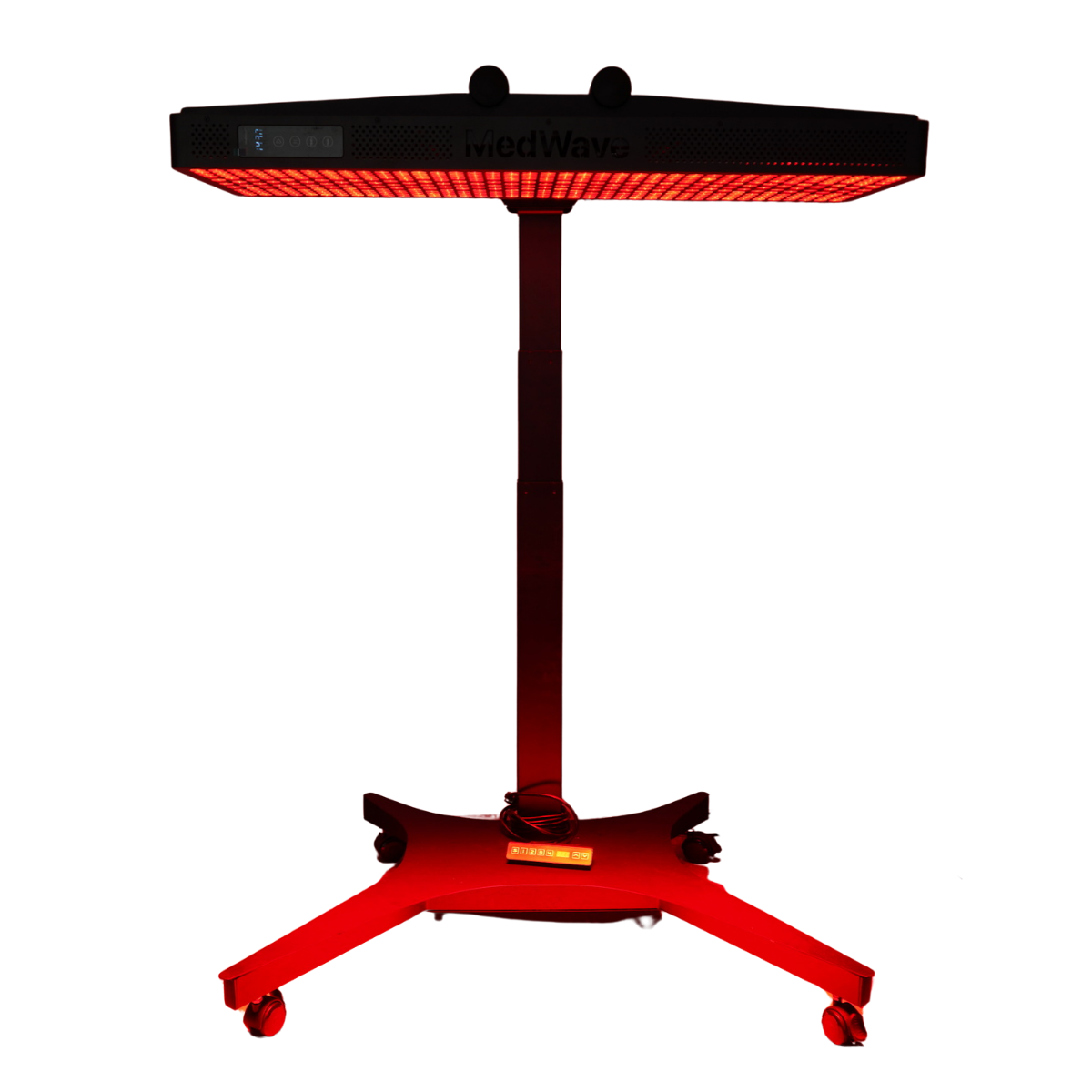
Unlike pharmaceutical treatments that require ongoing prescription costs, MedWave devices require no consumable supplies. Once you own the asset, virtually 100% of treatment revenue is gross margin.
Neurological patients require structured courses of 12–24 sessions, with many transitioning to ongoing maintenance protocols — delivering predictable, recurring revenue over extended treatment periods.
The perfect complement to neurology, physiotherapy, occupational therapy, and pain management — improving patient outcomes and driving higher retention across your service offering.
Real results from real practitioners and MedWave patients.
Pain Management & Sleep
Sleep Quality
Wound Recovery
General Wellbeing
Longevity & Wellness
Body Contouring
Sports Recovery
Eye Health
Wound Care & Pain Relief
Sports Performance & Recovery
Photobiomodulation for neurological health isn’t theory — it’s backed by decades of peer-reviewed clinical research. Select a category below to explore the studies for yourself.
Proof-of-concept clinical trial using transcranial, intranasal, neck and abdominal PBM in 12 Parkinson’s patients. Treatment 3 times per week for 12 weeks demonstrated improvements in clinical signs, with sustained benefits confirmed in a five-year follow-up study.
Read the study →Double-blind, randomised, sham-controlled feasibility trial with 40 idiopathic Parkinson’s patients. Transcranial PBM helmet (635nm + 810nm) applied 24 minutes/day, 6 days/week for 12 weeks. Demonstrated feasibility and safety of home-based transcranial PBM.
Read the study →Comprehensive review of PBM’s neuroprotective mechanisms across Alzheimer’s, Parkinson’s, and other neurodegenerative conditions. Documents how PBM restores mitochondrial function, reduces oxidative stress, and promotes neuronal survival.
Read the study →11 chronic mild TBI subjects received 18 sessions of transcranial red/near-infrared LED treatments. Significant increase in executive functioning and decrease in PTSD-related symptoms demonstrated cognitive improvements from transcranial PBM.
Read the study →Comprehensive review establishing PBM’s mechanisms in TBI and stroke: increased mitochondrial function, improved blood flow, reduced swelling, increased antioxidants, decreased inflammation, and protection against apoptosis.
Read the study →Demonstrated that PBM inhibited neuronal apoptosis by regulating mitochondrial energy metabolism, attenuating neuroinflammation, regulating microglial polarisation, and promoting amyloid-beta clearance in APP/PS1 mouse model.
Read the study →PBM at 660nm induced pain relief, recovered structural nerve aspects, and regulated mitochondrial homeostasis in peripheral nerves. Mechanisms involved nerve growth factor elevation and mitochondrial regulation in sciatic nerve tissue.
Read the study →PBM therapy applied to dorsal root ganglion reduced hyperalgesia intensity and decreased inflammatory markers in diabetic neuropathic rats. Effects mediated through MAPK pathway and calcium dynamics modulation.
Read the study →Comprehensive review establishing PBM’s mechanisms for depression treatment: enhancing cerebral blood flow, reducing inflammation, inhibiting apoptosis, and promoting neurogenesis. PBM can be administered transcranially or through systemic approaches.
Read the study →Systematic review of 11 RCTs across ten databases. Concluded that PBM is an effective treatment for depression through non-invasive neuromodulation, offering a promising alternative for patients who don’t respond to conventional treatments.
Read the study →Review exploring PBM as a non-pharmacological treatment for sleep quality improvement. In animal models, PBM stimulated the removal of fluid and toxic waste-products from the brain, supporting the glymphatic system’s role in sleep.
Read the study →Review of PBM’s effects on cognitive function through activation of cytochrome c oxidase, enhanced ATP synthesis, and calcium ion channel modulation. Shows promise for dementia, stroke, brain trauma, Parkinson’s, depression, and even cognitive enhancement in healthy individuals.
Read the study →Mini-review exploring PBM’s potential for autism spectrum disorder. PBM has been shown to improve key changes that characterise autism through modulation of neural inflammation, mitochondrial function, and cerebral blood flow.
Read the study →Explore how photobiomodulation supports sleep quality and shows promise for neurodegenerative conditions
Dr. Margot discusses the effects of low-level laser therapy in autism spectrum disorder and its clinical implications
This presentation gives you a complete picture of the MedWave system, and how practices like yours are integrating photobiomodulation into patient care.
Schedule a Call With UsMedWave’s photobiomodulation technology extends far beyond neurological health. Explore how red light therapy is transforming outcomes across multiple disciplines.
Non-invasive body contouring, skin rejuvenation, and measurable fat reduction powered by cellular energy.
Explore →Non-invasive relief for chronic pain, joint inflammation, and musculoskeletal conditions.
Explore →Accelerate tissue repair and reduce healing time for chronic and acute wounds.
Explore →Build a high-margin wellness business with MedWave’s turnkey provider programme.
Explore →