

Photobiomodulation targets pain at its source — modulating inflammation, reducing nerve sensitisation, and accelerating tissue repair without medication, side effects, or downtime.
*Free demos are only available for potential providers.
Your patients are caught between medications that mask symptoms and invasive procedures that carry risk. They need a better path to recovery.
MedWave integrates clinical-grade red light therapy (photobiomodulation) to help modulate inflammation, support pain relief, and promote tissue repair — without drugs, side effects, or downtime.
Chronic pain affects an estimated 1 in 5 adults worldwide. The standard approach — NSAIDs, opioids, cortisone injections — manages symptoms while creating new problems: dependency, gastrointestinal damage, diminishing returns.
MedWave’s devices deliver clinical-grade red and near-infrared light therapy that penetrates deep into tissue — modulating the inflammatory cascade, reducing nerve sensitisation, and promoting genuine tissue repair at the cellular level.
Zero consumables. Zero side effects. One device that transforms a single treatment room into a high-yield pain management centre backed by 1,000+ peer-reviewed studies on photobiomodulation.
Conventional pain management focuses on masking symptoms — blocking signals with medication or numbing tissue with injections — without addressing the underlying cause.
Patients are demanding treatments that restore function, not just suppress pain. They want evidence-based solutions that work with their biology, not against it.
MedWave bridges the divide. By stimulating mitochondria, we promote the body’s own anti-inflammatory and repair mechanisms — addressing pain at its cellular origin.
Support measurable pain reduction, improved mobility, reduced inflammation, and faster recovery for your patients — all from a single, non-invasive device that works at the cellular level.
We bridge the gap between symptom management and genuine recovery.
How precision red light therapy triggers a biological cascade that supports pain relief and tissue repair. Built on peer-reviewed photobiomodulation research.
Red light interacts with activated inflammatory cells to help reduce pro-inflammatory cytokines (IL-6, TNF-alpha, PGE2) and promote a shift from M1 (pro-inflammatory) to M2 (anti-inflammatory) macrophage phenotypes. Research demonstrates that PBM may modulate the NF-kB pathway — reducing inflammatory signalling in damaged tissue while supporting normal cellular function.³
PBM may help reduce pain through multiple pathways: decreasing nerve sensitisation, reducing inflammatory mediators that trigger nociceptors, and modulating endorphin release. Meta-analyses show significant VAS pain score reductions across chronic low back pain (WMD = -13.57mm), knee osteoarthritis (SMD = 0.96), and chronic neck pain (P<0.001 vs physiotherapy).⁴
Light energy absorbed by mitochondria boosts ATP production, restoring the cellular energy needed for tissue repair. Photons interact with Cytochrome C Oxidase (CCO), displacing inhibitory nitric oxide and reactivating the electron transport chain. This supports fibroblast proliferation, collagen synthesis, and accelerated wound closure.⁵
PBM may support enhanced microcirculation, improved oxygen delivery, and reduced oxidative stress in muscle tissue. A systematic review of 46 clinical trials found PBM significantly reduced creatine kinase (a muscle damage marker) and DOMS. In elite rugby athletes, PBM reduced blood lactate levels and improved sprint recovery (p≤0.05).⁶
All clinical data sourced from peer-reviewed studies. Full references available below.
Most consumer red light panels scatter broad-spectrum light across the skin with minimal tissue penetration — far below the therapeutic thresholds established in clinical research.
MedWave’s devices deliver precision red and near-infrared light wavelengths through 585 high-output LEDs — penetrating 3–4cm into subcutaneous tissue to reach inflamed joints, damaged muscle fibres, and compressed nerve pathways.
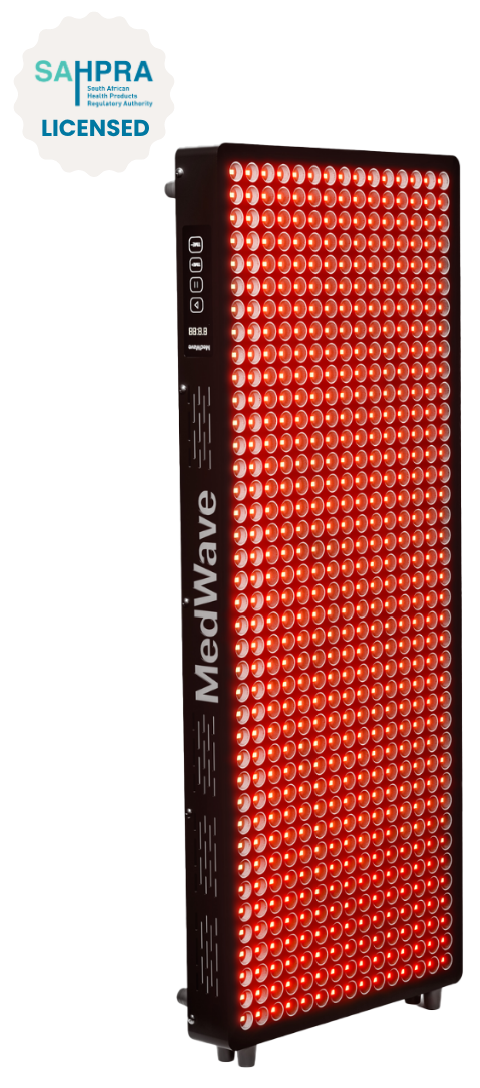

Turn one room into a multi-modality pain management centre.
A targeted programme for chronic pain patients — lower back, neck, joint, and widespread pain conditions. Supports inflammation modulation and progressive pain reduction over a structured course.
Designed for sports injuries, post-surgical rehabilitation, and acute musculoskeletal trauma. Promotes faster tissue repair, reduced swelling, and return-to-function outcomes.
A systemic protocol for inflammatory conditions including fibromyalgia, arthritis, and autoimmune-related pain. Targets the inflammatory cascade to support symptom management and improved quality of life.
Pairing MedWave devices with the Hypervibe whole body vibration plate creates a synergistic protocol: PBM modulates the inflammatory cascade while controlled vibration promotes circulation, lymphatic drainage, and neuromuscular activation.
Research confirms whole body vibration increases oxygen consumption by approximately 22% and energy expenditure by approximately 20% — supporting the recovery process initiated by photobiomodulation.⁷

“Sell recovery, not just relief.”
Maximise Revenue Per Treatment Room.
MedWave allows you to deploy a turnkey clinical asset that seamlessly integrates into your existing patient flow. The treatment complements your practitioners — running alongside manual therapy, exercise prescription, and rehabilitation programmes rather than competing for therapist time.
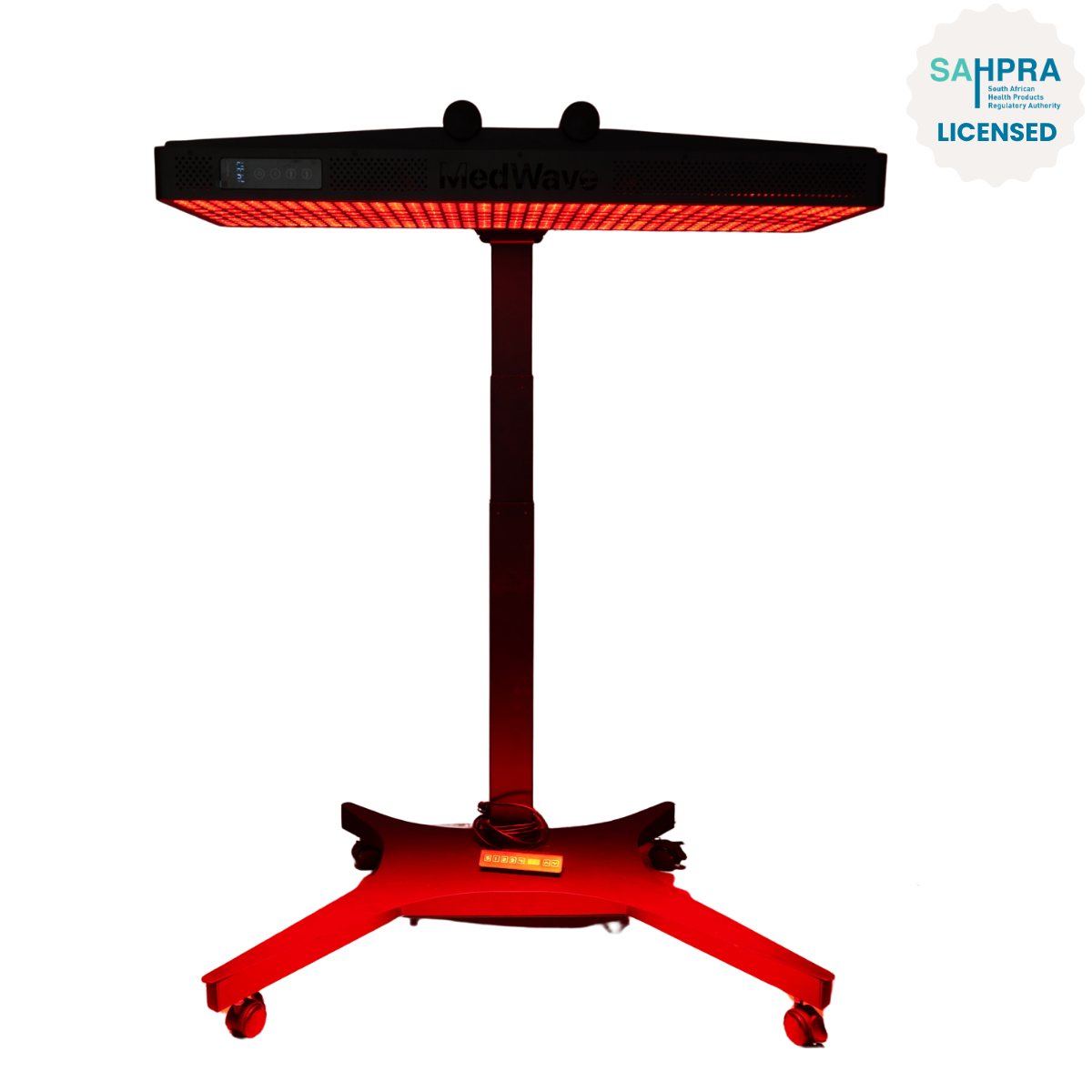
Your gross margin is virtually 100%. No gels, no replacement tips, no recurring product costs. Once you own the asset, every treatment is pure margin.
Patients typically book structured courses of 8–12 sessions, then transition to monthly maintenance — stabilising your cash flow with predictable recurring revenue.
The perfect complement to manual therapy, chiropractic adjustments, and exercise rehabilitation — improving patient outcomes and driving higher retention across your service offering.
Real results from real practitioners and MedWave patients.
Pain Management & Sleep
Sleep Quality
Wound Recovery
General Wellbeing
Longevity & Wellness
Body Contouring
Sports Recovery
Eye Health
Wound Care & Pain Relief
Sports Performance & Recovery
Photobiomodulation for pain management isn’t theory — it’s backed by decades of peer-reviewed clinical research. Select a category below to explore the studies for yourself.
Systematic review of 11 RCTs (from 96,751 initial results). Five studies demonstrated positive PBM effects on chronic pain; two reported marked inflammation improvements. Six studies scored “excellent” on PEDro scale. Multiple studies reported significant reductions in inflammatory markers (IL-6, TNF-alpha, PGE2) with p<0.001.
Read the study →Umbrella review of 15 meta-analyses covering 9,000+ patients across 35 health endpoints. PBM appeared beneficial for fibromyalgia (fatigue severity eSMD 1.25), osteoarthritis-related disability, and burning mouth syndrome pain (eSMD -0.92).
Read the study →Landmark review establishing PBM’s anti-inflammatory mechanisms: NF-kB modulation, M1-to-M2 macrophage phenotype shift, reduced oxidative stress. Clinical applications demonstrated across arthritis, wound healing, muscle recovery, and neuropathic pain with “almost complete lack of reported adverse effects.”
Read the study →Network meta-analysis of 13 RCTs with 673 participants. LLLT was superior to sham for pain relief (SMD = 0.96, 95% CI 0.31–1.61). The 904–905nm wavelength ranked highest (SUCRA: 86.90%), followed by multi-wavelength (56.43%).
Read the study →50-participant RCT with 52-week follow-up. LLLT provided a positive add-on effect: significantly reduced analgesic/NSAID consumption and a 2.52 repetition advantage in sit-to-stand test at week 52, meeting the minimally clinically important threshold.
Read the study →Meta-analysis of 18 RCTs with 793 participants. While individual trial results varied, the authors noted the need for better-designed trials with standardised protocols. Highlights the importance of appropriate dosing parameters in PBM for rheumatological conditions.
Read the study →Meta-analysis of 7 RCTs with 394 patients. VAS pain scores were significantly lower in the LLLT group (WMD = -13.57mm; 95% CI -17.42 to -9.72). LLLT was effective for pain relief in chronic low back pain patients.
Read the study →RCT of 60 office workers with chronic neck pain. Both PBM and physiotherapy reduced VAS and Neck Disability Index scores, but PBM was significantly superior (P<0.001). Demonstrated PBM outperforming conventional physiotherapy for chronic non-specific neck pain.
Read the study →Systematic review of 46 clinical trials with 1,045 participants. PBM increased muscle mass gains after training and decreased inflammation and oxidative stress. Significantly reduced creatine kinase (CK) levels and DOMS. Applying PBM 40–60 minutes before matches prevented significant muscle damage.
Read the study →RCT with 12 elite male rugby athletes. Multi-wavelength PBM (905nm laser + 875nm and 640nm LEDs) significantly improved average sprint time and fatigue index. Blood lactate levels significantly reduced (p≤0.05). Perceived fatigue decreased significantly vs. placebo.
Read the study →Systematic review of 14 studies (10 animal, 4 human). All studies demonstrated LLLT effectiveness for neuropathic pain analgesia. Infrared laser powers above 70mW showed superior effectiveness. Consistently positive results across study types.
Read the study →Study of 19 T2DM patients with peripheral neuropathy. 10-day LLLT protocol results: VAS pain decreased from 6.47 to 1.21 (p<0.001); neuropathy scores dropped from 5.52 to 2.71 (p<0.001); vibration perception threshold improved significantly (p<0.001).
Read the study →Systematic review and meta-analysis of 4 trials with 119 participants. At 2 months, one trial showed pain improvement favouring laser (MD = -2.55). Adverse events limited to minor exercise-related effects. Highlights the need for further well-designed trials.
Read the study →RCT of 80 participants with chronic Achilles tendinopathy. At 12 weeks, twice-weekly exercise + PBM showed superior VISA-A outcomes with a moderate effect size of 0.7. Key finding: adding PBM provides benefit beyond exercise alone.
Read the study →Meta-analysis of 9 RCTs with 325 fibromyalgia patients. LLLT significantly outperformed placebo across all outcomes: pain severity (SMD 1.18), fatigue (SMD 1.4), stiffness (SMD 0.92), depression (SMD 1.46), anxiety (SMD 1.46). Concluded “LLLT is an effective, safe, and well-tolerated treatment for fibromyalgia.”
Read the study →Umbrella review of 15 meta-analyses. PBM appeared beneficial for fibromyalgia with large effect sizes: fatigue severity (eSMD 1.25, 95% CI 0.63–1.87) and stiffness (eSMD 1.06, 95% CI 0.36–1.77). Supports PBM as a complementary approach for fibromyalgia management.
Read the study →Explore the research behind how specific wavelengths of light help combat inflammation and fluid buildup
How red and near-infrared light may support muscle regeneration and help counteract atrophy
The science behind using PBM as a non-invasive approach to managing tendon pain and repair
How photobiomodulation may help modulate arthritis-related pain and inflammation
How photobiomodulation may promote faster healing and recovery after exercise and injury
This presentation gives you a complete picture of the MedWave system, and how practices like yours are integrating photobiomodulation into patient care.
Schedule a Call With UsMedWave’s photobiomodulation technology extends far beyond pain management. Explore how red light therapy is transforming outcomes across multiple disciplines.
Non-invasive body contouring, skin rejuvenation, and measurable fat reduction powered by cellular energy.
Explore →Accelerate tissue repair and reduce healing time for chronic and acute wounds.
Explore →Support cognitive function, neuroprotection, and neurological recovery with transcranial PBM.
Explore →Build a high-margin wellness business with MedWave’s turnkey provider programme.
Explore →